In the dynamic world of warehousing, the efficient use of industrial pallet containers is crucial for streamlining operations, maximizing storage space, and enhancing overall productivity. As a seasoned supplier of industrial pallet containers, I’ve witnessed firsthand the transformative impact that proper container utilization can have on a warehouse environment. In this blog post, I’ll share some valuable insights and strategies on how to optimize the use of industrial pallet containers in a warehouse, drawing on my years of experience and industry knowledge. Industrial Pallet Container
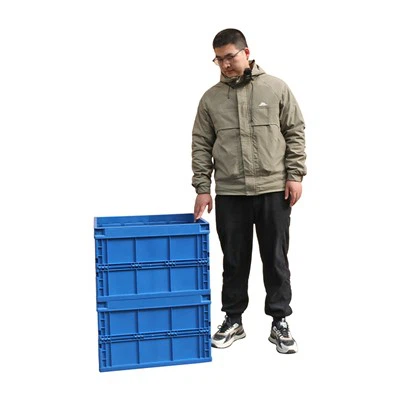
Understanding the Basics of Industrial Pallet Containers
Before delving into optimization strategies, it’s essential to have a solid understanding of industrial pallet containers. These containers are designed to store and transport goods in a safe and efficient manner, providing a standardized and versatile solution for various industries. They come in a wide range of sizes, shapes, and materials, each tailored to specific requirements and applications.
One of the key advantages of industrial pallet containers is their ability to stack, which allows for efficient use of vertical space in a warehouse. By stacking containers, you can significantly increase your storage capacity without expanding the footprint of your facility. Additionally, pallet containers are often equipped with features such as forklift pockets and handles, making them easy to move and handle within the warehouse.
Assessing Your Warehouse Needs
The first step in optimizing the use of industrial pallet containers is to assess your warehouse needs. This involves evaluating factors such as the type and volume of goods you store, the available storage space, and the workflow within your facility. By understanding your specific requirements, you can select the right type and size of pallet containers to meet your needs.
For example, if you store large and heavy items, you may need to choose pallet containers with a high weight capacity and sturdy construction. On the other hand, if you store small and lightweight items, you may be able to use smaller and more compact containers to maximize storage space. Additionally, consider the shape and dimensions of your goods when selecting pallet containers, as this can affect how they are stored and stacked.
Designing an Efficient Warehouse Layout
Once you have assessed your warehouse needs, the next step is to design an efficient warehouse layout. This involves arranging your pallet containers in a way that maximizes storage space, minimizes handling time, and promotes smooth workflow. When designing your layout, consider factors such as the flow of goods, the location of loading and unloading areas, and the accessibility of different storage zones.
One effective strategy for optimizing warehouse layout is to use a modular approach. This involves dividing your warehouse into smaller, more manageable zones based on the type and volume of goods you store. By using modular storage systems, you can easily adjust your layout as your business needs change, allowing for greater flexibility and efficiency.
Another important consideration when designing your warehouse layout is the use of vertical space. As mentioned earlier, industrial pallet containers are designed to stack, which allows you to make the most of your vertical storage capacity. By using tall storage racks and stacking containers to their maximum height, you can significantly increase your storage space without expanding the footprint of your facility.
Implementing Proper Stacking Techniques
Proper stacking techniques are essential for ensuring the safety and stability of your pallet containers. When stacking containers, it’s important to follow the manufacturer’s guidelines and recommendations to prevent damage to the containers and the goods they hold. Additionally, consider the weight and distribution of the goods when stacking containers, as this can affect the stability of the stack.
One common stacking technique is to use a pyramid or stepped pattern. This involves stacking containers in a way that the top container is smaller than the bottom container, creating a stable and secure stack. Another technique is to use interlocking containers, which are designed to fit together tightly and prevent movement.
In addition to proper stacking techniques, it’s also important to use appropriate equipment and tools when handling pallet containers. This includes forklifts, pallet jacks, and other material handling equipment that are designed to safely and efficiently move and stack containers. By using the right equipment and tools, you can minimize the risk of damage to the containers and the goods they hold, as well as improve the overall efficiency of your warehouse operations.
Maintaining and Inspecting Your Pallet Containers
Regular maintenance and inspection of your pallet containers are essential for ensuring their longevity and performance. Over time, pallet containers can become damaged or worn, which can affect their ability to store and transport goods safely and efficiently. By conducting regular inspections and maintenance, you can identify and address any issues before they become major problems.
One important aspect of maintenance is to keep your pallet containers clean and free of debris. This can help prevent damage to the containers and the goods they hold, as well as improve the overall hygiene of your warehouse. Additionally, consider using protective coatings or liners to prevent corrosion and damage to the containers.
Another important aspect of maintenance is to inspect your pallet containers for signs of damage or wear. This includes checking for cracks, dents, and other defects that could affect the stability and performance of the containers. If you identify any issues, it’s important to repair or replace the containers as soon as possible to prevent further damage and ensure the safety of your goods.
Training Your Warehouse Staff
Proper training of your warehouse staff is essential for ensuring the safe and efficient use of industrial pallet containers. This includes training on how to handle and stack containers, as well as how to use the appropriate equipment and tools. By providing your staff with the necessary training and education, you can minimize the risk of accidents and injuries, as well as improve the overall productivity of your warehouse operations.
One effective way to train your staff is to provide them with hands-on training and demonstrations. This can include showing them how to use the equipment and tools, as well as how to stack and handle containers safely and efficiently. Additionally, consider providing your staff with written instructions and guidelines to refer to as needed.
Another important aspect of training is to reinforce the importance of safety and proper handling techniques. This can include reminding your staff to wear appropriate personal protective equipment (PPE), such as gloves and safety shoes, and to follow the manufacturer’s guidelines and recommendations when handling and stacking containers.
Conclusion

Optimizing the use of industrial pallet containers in a warehouse is a complex and ongoing process that requires careful planning, implementation, and maintenance. By following the strategies and tips outlined in this blog post, you can maximize the storage capacity of your warehouse, improve the efficiency of your operations, and ensure the safety and integrity of your goods.
Vented Bulk Container As a supplier of industrial pallet containers, I’m committed to helping my customers optimize their use of these containers and achieve their business goals. If you’re interested in learning more about how industrial pallet containers can benefit your warehouse operations, or if you have any questions or concerns, please don’t hesitate to contact me. I’d be happy to discuss your specific needs and provide you with a customized solution that meets your requirements.
References
- "Warehouse Management: Best Practices and Strategies" by John Smith
- "Industrial Pallet Containers: A Comprehensive Guide" by Jane Doe
- "Optimizing Warehouse Layout for Maximum Efficiency" by Tom Johnson
Shanghai Qusheng Plastics Co., Ltd.
As one of the leading industrial pallet container manufacturers and suppliers in China, we have world-leading production equipment and strong manufacturing capabilities. Please rest assured to wholesale customized industrial pallet container from our factory. For quotation, contact us now.
Address: No.85 Hengtang Road, Huaqiao Town, Kunshan City, Jiangsu Province
E-mail: Totepallet-inquiry@plastic-crate.com
WebSite: https://www.totepallet.com/
