In the world of manufacturing, custom stamping dies play a pivotal role, especially when it comes to bending operations. As a supplier of custom stamping dies, I’ve witnessed firsthand the intricate processes and remarkable capabilities these tools offer. Today, I’ll delve into how a bending custom stamping die works, shedding light on its mechanisms, applications, and the importance of a well – crafted die. Custom Stamping Die
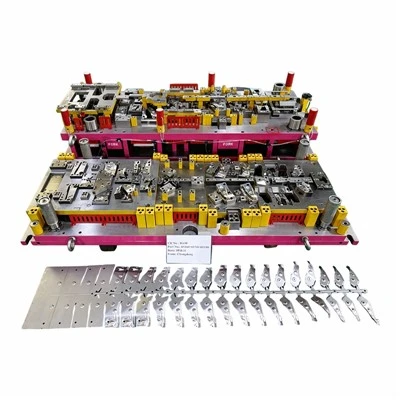
1. Understanding the Basics: What is a Bending Custom Stamping Die?
A bending custom stamping die is a specialized tool designed to reshape metal sheets or strips into specific bent forms. It is customized to meet the unique requirements of a particular manufacturing process, taking into account factors such as the type of metal, the desired bend angle, radius, and the overall shape of the final product.
Components of a Bending Stamping Die
- Punch: This is the upper part of the die. It descends onto the metal sheet, applying force to initiate the bending process. The shape of the punch is precisely machined to create the desired bend profile.
- Die Block: The die block is the lower part. It provides a counter – surface for the punch. It has a cavity or groove that the metal sheet is forced into during bending, maintaining the correct bend radius and angle.
- Guide Pins and Bushings: These components ensure proper alignment between the punch and the die block. Accurate alignment is crucial for consistent and precise bending results.
- Stripper Plate: The stripper plate helps in removing the bent metal part from the punch after the bending operation is complete. It prevents the part from sticking to the punch, allowing for smooth and efficient production.
2. The Bending Process: Step – by – Step
The operation of a bending custom stamping die can be broken down into several distinct steps:
Step 1: Material Loading
The process begins with the loading of the metal sheet or strip onto the die block. The sheet is carefully positioned to ensure that the area to be bent is correctly aligned with the punch and die block. This step is often automated in modern manufacturing setups, using robotics or conveyor systems to improve efficiency and accuracy.
Step 2: Die Closing
Once the material is in place, the press machine activates, and the punch starts to descend towards the die block. As the punch approaches the metal sheet, it begins to apply pressure. The pressure gradually increases until the metal reaches its yield point, the point at which it begins to deform plastically.
Step 3: Bending
As the punch continues to move down, the metal sheet is forced into the cavity of the die block. The shape of the punch and die block determines the bend angle and radius. During this stage, the metal undergoes significant stress and strain, and it is crucial that the die is designed to handle these forces without damage.
Step 4: Hold – Down and Springback Compensation
To ensure that the bent part retains its shape, the punch may hold the metal in place for a short period after the bending operation is complete. Additionally, due to the elastic nature of metals, there is often a phenomenon called springback. Springback causes the metal to slightly unbend after the pressure is released. A well – designed bending die takes springback into account during the design process, using techniques such as overbending to compensate for the expected springback.
Step 5: Die Opening and Part Ejection
After the holding period, the press machine raises the punch, opening the die. The stripper plate then ejects the bent metal part from the punch, and it is either transferred to the next manufacturing step or removed from the production line.
3. Factors Affecting Bending with Custom Stamping Dies
Several factors can significantly impact the bending process when using custom stamping dies:
Metal Properties
The type of metal used has a profound influence on the bending operation. Different metals have different mechanical properties, such as yield strength, tensile strength, and ductility. For example, soft metals like aluminum are relatively easy to bend and require less force, while harder metals like stainless steel need more robust dies and higher press forces. The grain structure of the metal also affects the bending process, as bending across the grain may lead to better results compared to bending along the grain.
Bend Angle and Radius
The desired bend angle and radius are critical design considerations. Sharp bends with small radii require more force and may cause the metal to crack or split. On the other hand, larger bend radii are generally easier to achieve but may not be suitable for applications where space is limited. The die must be designed to accommodate the specific bend requirements of the product.
Die Design and Manufacture
The quality of the die design and manufacture is of utmost importance. A well – designed die ensures accurate and consistent bending results, reduces scrap rates, and extends the die’s lifespan. Advanced manufacturing techniques, such as computer – numerical – control (CNC) machining, are used to create dies with high precision and surface finish. Additionally, the die material must be carefully selected to withstand the high forces and wear associated with the bending process.
4. Applications of Bending Custom Stamping Dies
Bending custom stamping dies are used in a wide range of industries:
Automotive Industry
In the automotive sector, bending custom stamping dies are used to manufacture various components, such as chassis parts, brackets, and body panels. These components require precise bending to ensure proper fit and functionality. For example, the frame of a car door may be made using a series of bending operations to create its complex shape.
Electronics Industry
The electronics industry relies on bending custom stamping dies to produce components like connectors, heat sinks, and shielding. These components often need to be bent with high accuracy to fit into small spaces and to ensure proper electrical connections.
Aerospace Industry
In aerospace manufacturing, bending custom stamping dies are used for producing parts like wing ribs, fuselage frames, and engine components. The high – precision requirements and the need to use strong and lightweight metals make bending in the aerospace industry a challenging but crucial process.
5. The Importance of a Reliable Custom Stamping Die Supplier
As a custom stamping die supplier, I understand the significance of providing high – quality dies. A reliable supplier can offer several advantages:
Customization
Every manufacturing process is unique, and a good supplier can design and manufacture dies that are tailored to the specific needs of the customer. This includes considering factors such as the type of metal, the desired bend geometry, and the production volume.
Technical Expertise
A knowledgeable supplier has a deep understanding of metal properties, bending processes, and die design principles. They can provide valuable advice on optimizing the bending process, reducing costs, and improving product quality.
Quality Assurance
A reliable supplier implements strict quality control measures throughout the die manufacturing process. This ensures that the dies meet the highest standards of accuracy, durability, and performance.
6. Conclusion and Call to Action
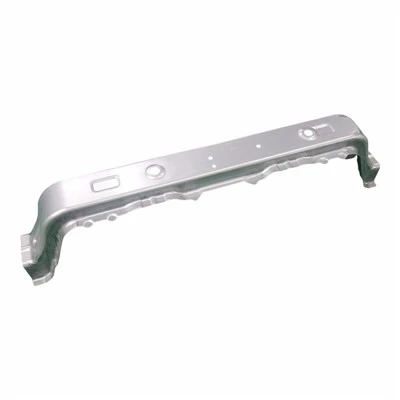
In conclusion, a bending custom stamping die is a complex and essential tool in modern manufacturing. Understanding how it works, the factors that affect its performance, and its wide range of applications is crucial for anyone involved in the manufacturing industry.
Custom Stamping Die If you’re in need of custom stamping dies for your bending operations, I invite you to reach out to us. Our team of experts is ready to work with you to design and manufacture the perfect die for your specific requirements. Whether you’re a small – scale manufacturer or a large industrial enterprise, we can provide you with high – quality, reliable custom stamping dies that will help you achieve your production goals.
References
- Dieter, G. E. (2000). Mechanical Metallurgy: Principles and Applications. McGraw – Hill.
- Kalpakjian, S., & Schmid, S. R. (2013). Manufacturing Engineering and Technology. Pearson.
- Groover, M. P. (2015). Fundamentals of Modern Manufacturing: Materials, Processes, and Systems. Wiley.
Dongguan Changdong Tool & Die Co., Ltd.
With abundant experience, we are one of the most reliable custom stamping die manufacturers and suppliers in China. Please feel free to buy advanced custom stamping die made in China here from our factory. Good service and quality products are available.
Address: No. 56-B, Fumin South Road, Dalang Town, Dongguan City, Guangdong Province, China
E-mail: sales@stamping-die.com
WebSite: https://www.metalstampingdie.com/
