If you’ve ever driven down a dark, rural highway after sunset, or waited at a construction zone after hours on a rainy night, you know how critical it is to have clear, visible signs guiding people. For years, many of my clients—local governments, construction companies, and small business owners—have asked me a common question: “Are there any solar-powered marker signs that actually work?” As a marker signs supplier who’s been in this business for over a decade, I’ve seen the evolution of these products firsthand, and today I want to break down exactly what’s out there, how they work, and why they might be the right fit for your next project. Marker Signs
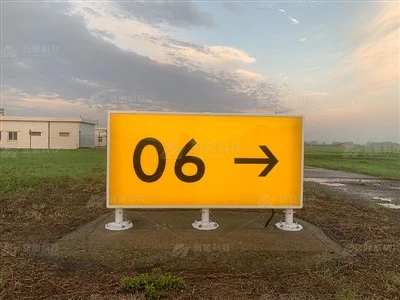
Let’s start with the basics. Solar-powered marker signs are exactly what they sound like: signage designed to mark specific locations (road edges, crosswalks, construction zones, parking lot boundaries, etc.) that run on energy from the sun, rather than grid electricity. For a long time, the idea of solar-powered signs felt like a niche, untested solution—something that might work in a sunny place like Arizona but not in a cloudier state like Minnesota. But over the last five years, advancements in battery technology and LED efficiency have changed that entirely.
A few years back, I sold a set of solar-powered road markers to a county in northern Wisconsin. The project was small: marking the edge of a winding country road where three accidents had occurred in one winter. Back then, the markers we offered had lead-acid batteries, which were bulky, and they struggled to hold a charge through weeks of overcast, snowy days. By the end of the first winter, half the markers had died, and the county had to replace them with wired signs that cost three times as much to install. That experience taught me that not all solar-powered marker signs are created equal—so I started vetting every product I brought into my inventory more carefully.
Today, the solar-powered marker signs I work with use lithium-ion phosphate (LiFePO4) batteries, which are way more durable than the old lead-acid models. They’re designed to withstand extreme temperatures—from -40°F to 140°F—so they work just as well in the cold of Maine as they do in the heat of Texas. The solar panels themselves are small, usually 5 to 10 watts, and made with monocrystalline silicon, which is more efficient at converting sunlight to energy, even on cloudy days. Most importantly, these signs use ultra-bright, long-lasting LEDs that only turn on when it’s dark—many have a light sensor that triggers them, so they don’t waste energy lighting up during the day. One of the biggest wins here is that a fully charged set of these signs can last anywhere from 7 to 14 days without any sunlight, which is perfect for places that get a week of cloudy, rainy weather in the spring or fall.
Now, let’s talk about the different types of solar-powered marker signs available, because one size definitely doesn’t fit all. For road edge marking, there are post-mounted solar delineators—these are slender, upright signs that sit along the shoulder of the road, marking where the pavement ends. Some have reflective strips too, so they work with car headlights even if the solar battery dies, which is a great backup for low-maintenance areas. Then there are construction zone markers: these are usually larger, more visible signs, like “Work Zone Ahead” or “Lane Closed,” that have solar power integrated into their base. I’ve sold a lot of these to construction companies that work on temporary projects—instead of running extension cords across busy roads (which is a safety hazard), they just set up the signs and they’re ready to go. Parking lot markers are another popular type: solar-powered parking space signs, handicap markers, or directional signs that eliminate the need to dig trenches for electrical wiring, which saves a ton of time and money on installation.
A common question I get from clients is about durability. Why would a solar-powered sign hold up better than a traditional one? The truth is, grid-powered signs require ongoing maintenance—you have to repair or replace wiring, pay electric bills year-round, and troubleshoot power outages. Solar-powered signs are almost entirely self-sufficient. They’re built with weather-resistant casings, usually made from high-density polyethylene (HDPE) or aluminum, so they can resist damage from hail, wind, and even occasional hits from small vehicles. The LEDs have a lifespan of over 50,000 hours, which means they’ll outlast most traditional sign bulbs. From my experience, the only time I’ve had to replace a solar marker sign was when someone hit it with a lawnmower or a car—never because the solar battery died unexpectedly.
Of course, no product is perfect, and solar-powered marker signs do have some limitations that I always share with my clients. First, they require access to sunlight to charge, so if you’re looking to mark a spot that’s always shaded by trees or buildings, solar might not be the best option. But even then, I’ve worked with clients who mounted small solar panels on top of nearby utility poles to charge signs in shaded areas— it’s a small adjustment that works well. Second, upfront cost is higher than traditional wired signs. But when you factor in the cost of installation (no trenches, no electrical work), electric bills, and ongoing maintenance, solar-powered signs end up being cheaper in the long run. I usually run a quick cost comparison for my clients: a set of wired road markers might cost $200 total to buy and install, but over 10 years, they’ll cost $1,500 in electricity and repairs. A set of solar markers costs $300 upfront, and almost nothing to maintain over 10 years. That’s a big difference.
I also want to address a misconception some people have: that solar-powered marker signs are less bright than traditional ones. That was true 10 years ago, but not anymore. Modern LED solar signs are just as bright, if not brighter, because they use energy more efficiently. I test every solar sign I sell by leaving one in my driveway for a full week to make sure it charges properly at night, and I check the brightness level after dark. Last month, I had a client switch from their old wired signs to solar ones, and they told me that drivers have commented that the road is way more visible now at night. That’s the kind of feedback that makes me confident in the products I offer.
Now, if you’re wondering when solar-powered marker signs make the most sense, let me give you a few examples. First, temporary construction projects: if a project is only going to last 6 months to a year, setting up solar signs is way faster than running wiring, and you can just take them down when the project is done and reuse them for another job. Second, remote locations: if you need to mark a hiking trail or a remote rural road that’s not connected to the grid, solar is the only practical option. Third, projects looking to lower their carbon footprint: many local governments and businesses are trying to reduce their reliance on fossil fuels, and solar signs are a simple, tangible way to do that. I recently worked with a city that replaced all their downtown crosswalk markers with solar-powered ones, and they saved over $10,000 a year in electric and maintenance costs.
As a marker signs supplier, my job isn’t just to sell products—it’s to help clients find the best solution for their specific needs. That means I don’t push solar signs on everyone; I have a frank conversation about their budget, their location, how long they need the signs to last, and their long-term goals. For example, if a small business wants a single sign for their parking lot that needs to be permanent, I might recommend a solar sign over a wired one because it’s easier to install and doesn’t require ongoing costs. If a client has a short-term event, like a fair or a festival, I rent out portable solar marker signs that they can return when the event is over.
I also work with local installers to make sure that every solar sign I sell is set up correctly. Even though they’re self-sufficient, they need to be placed in a spot where the solar panel gets at least 6 hours of sunlight a day to charge properly. If a sign is blocked by a tree or a building, it won’t charge fully, and the battery will die faster. That’s why I always tell my clients to take a photo of the spot where they want to put the sign, and I can advise them on whether it’s a good location, or suggest adjusting the solar panel’s angle if needed.
Over the last few years, I’ve seen more and more clients ask for solar-powered marker signs, and it’s not just because they’re more affordable in the long run—it’s because they’re more reliable and easier to manage. Gone are the days when you had to deal with tangled wires, power outages, or high electric bills. Today’s solar signs are a practical, sustainable solution for almost any marking need.
If you’re considering solar-powered marker signs for your next project, I’d be happy to walk you through your options, answer any questions, and help you find the right signs for your budget and location. Whether you need a single sign for a parking lot or a full set for a highway project, I can provide custom quotes and make sure you have everything you need to get set up quickly and correctly.
To get started, reach out to me directly to discuss your specific needs, and I can share more details on product specs, pricing, and installation support.
Battery Box References:
- U.S. Department of Transportation Federal Highway Administration. (2022). Solar-Powered Highway Marking Systems: Performance and Maintenance Guidelines.
- International Municipal Lawyers Association. (2023). Cost-Benefit Analysis of Solar-Powered Signage for Local Government Infrastructure.
- National Renewable Energy Laboratory. (2021). Advances in Lithium-Ion Phosphate Batteries for Off-Grid Solar Applications.
- American Traffic Safety Services Association. (2022). Guide to Selecting Durable Solar-Powered Road Markers.
Wuhu Qiahao Metal Products Co., Ltd.
As one of the most professional marker signs manufacturers and suppliers in China, we warmly welcome you to buy premium marker signs made in China here from our factory. All customized products are with high quality and competitive price. Contact us for pricelist.
Address: Building 5, No. 3 Yongtai Road, Wanzhi District, Wuhu City, Anhui Province, China
E-mail: 290418907@qq.com
WebSite: https://www.qiahaometal.com/
