In the modern era dominated by digital technology, the question of whether analog radio can still serve a crucial role in emergency communication is both relevant and timely. As a supplier of analog radio equipment, I’ve witnessed firsthand the enduring value of these devices in times of crisis. This blog post aims to explore the capabilities of analog radio in emergency situations, highlighting its strengths, limitations, and why it remains a viable option for emergency communication. Analog Radio

The Basics of Analog Radio
Analog radio operates on a simple principle: it transmits and receives continuous signals that represent sound waves. Unlike digital radio, which converts audio into binary code for transmission, analog radio sends the actual audio signal directly. This fundamental difference gives analog radio several unique characteristics that make it suitable for emergency communication.
One of the key advantages of analog radio is its simplicity. The technology is relatively straightforward, which means that analog radios are generally more affordable and easier to maintain than their digital counterparts. This makes them accessible to a wider range of users, including individuals, community groups, and small businesses that may not have the resources to invest in more complex digital systems.
Another important feature of analog radio is its compatibility. Analog signals can be received by any radio tuned to the appropriate frequency, regardless of the brand or model. This interoperability is crucial in emergency situations, where different organizations and agencies may need to communicate with each other quickly and effectively. For example, during a natural disaster, first responders, volunteers, and local residents can all use analog radios to share information and coordinate rescue efforts.
Advantages of Analog Radio in Emergency Communication
Reliability
One of the most significant advantages of analog radio in emergency communication is its reliability. Analog signals are less susceptible to interference and signal degradation than digital signals, especially in areas with poor reception or limited infrastructure. In the event of a power outage or network failure, analog radios can continue to function as long as they have a power source, such as batteries. This makes them a reliable option for maintaining communication when other forms of technology may be unavailable.
Immediate Communication
Analog radios offer instant communication without the need for complex setup or authentication processes. With a simple push of a button, users can transmit and receive messages in real-time, allowing for quick and efficient communication during emergencies. This immediacy is crucial in situations where every second counts, such as during a fire, earthquake, or other natural disaster.
Wide Coverage
Analog radio signals can cover a large area, especially when using high-power transmitters or repeaters. This wide coverage makes it possible to communicate over long distances, even in remote or rural areas where other forms of communication may be limited. For example, in a large-scale emergency such as a wildfire or a hurricane, analog radios can be used to coordinate response efforts across a wide geographic area.
Low Cost
As mentioned earlier, analog radios are generally more affordable than digital radios. This low cost makes them an attractive option for organizations and individuals with limited budgets, especially in developing countries or regions with limited resources. Additionally, the cost of operating and maintaining analog radio systems is relatively low, as they do not require expensive software updates or high-speed data connections.
Limitations of Analog Radio in Emergency Communication
While analog radio has many advantages in emergency communication, it also has some limitations that need to be considered.
Limited Features
Compared to digital radios, analog radios have fewer features and capabilities. For example, analog radios do not support advanced functions such as text messaging, GPS tracking, or encryption. This can limit the effectiveness of communication in certain situations, especially when sensitive information needs to be transmitted securely.
Signal Quality
Analog radio signals are subject to interference and noise, which can affect the quality of communication. In areas with high levels of electromagnetic interference or radio frequency congestion, the signal may be distorted or difficult to understand. This can make it challenging to communicate effectively, especially in critical situations.
Bandwidth Constraints
Analog radio uses a limited amount of bandwidth, which can result in congestion and reduced capacity during peak usage periods. In a large-scale emergency, when many users are trying to communicate simultaneously, the available bandwidth may be insufficient to support all the traffic. This can lead to delays and dropped calls, which can have serious consequences in emergency situations.
Complementary Use with Digital Technology
Rather than viewing analog radio as an outdated technology, it is more appropriate to consider it as a complementary tool to digital communication systems. In many emergency situations, a combination of analog and digital technologies can provide the most effective communication solution.
For example, digital radios can be used for more complex and secure communication, such as transmitting text messages, sharing data, or coordinating with other agencies using advanced features. At the same time, analog radios can serve as a backup or fallback option in case of network failures or other technical issues. By using both analog and digital radios, organizations can ensure that they have a reliable and redundant communication system in place.
Real-World Examples of Analog Radio in Emergency Communication
There are numerous real-world examples of analog radio being used effectively in emergency situations.
Hurricane Katrina
During Hurricane Katrina in 2005, analog radios played a crucial role in coordinating rescue efforts and providing vital information to affected communities. Many first responders, volunteers, and local residents used analog radios to communicate when other forms of communication, such as cell phones and landlines, were unavailable due to power outages and damaged infrastructure.
Earthquakes in Haiti
In the aftermath of the 2010 earthquake in Haiti, analog radios were used extensively by aid organizations, government agencies, and local communities to communicate and coordinate relief efforts. The simplicity and reliability of analog radio made it an ideal tool for communicating in a situation where the existing communication infrastructure had been severely damaged.
Conclusion
In conclusion, analog radio can indeed be used for emergency communication. Its simplicity, reliability, wide coverage, and low cost make it a valuable tool in times of crisis, especially in areas with limited infrastructure or during situations where other forms of communication may be unavailable. While it has some limitations compared to digital technology, analog radio can be used in conjunction with digital systems to provide a more comprehensive and effective communication solution.
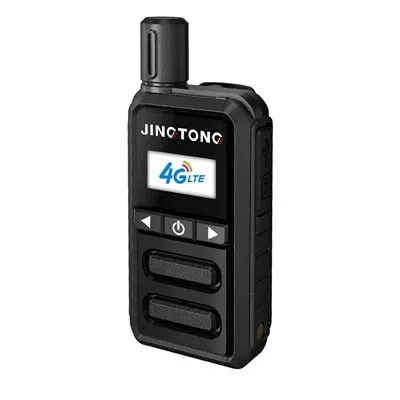
As a supplier of analog radio equipment, I am committed to providing high-quality products and services that meet the needs of our customers in emergency situations. Our analog radios are designed to be reliable, easy to use, and affordable, making them an ideal choice for individuals, community groups, and organizations looking for a practical and effective communication solution.
Marine Radio If you are interested in learning more about our analog radio products or discussing how they can be used for emergency communication, please feel free to contact us. We would be happy to provide you with more information and answer any questions you may have.
References
- Federal Emergency Management Agency (FEMA). (2019). Emergency Communications: A Guide for Local Governments.
- International Telecommunication Union (ITU). (2018). Radio Regulations.
- National Oceanic and Atmospheric Administration (NOAA). (2020). Weather Radio.
Jingtong (Quanzhou) Electronics Co., Ltd.
We are one of the most professional analog radio manufacturers and suppliers in China, specialized in providing high quality customized service. We warmly welcome you to buy durable analog radio made in China here from our factory. For price consultation, contact us.
Address: No.288, Si Huang Industry Zone, Xia Mei Town, Nan An, Quanzhou, Fujian province, China 362302
E-mail: jtdjj@jtdjj.com
WebSite: https://www.jteradio.com/
