Can I use disposable paper plates for seafood?
If you’ve ever hosted a backyard seafood boil, a summer clambake, or a casual gathering where fried shrimp or grilled fish takes center stage, this question almost certainly crossed your mind. As a supplier of disposable paper plates, I get this query at least a dozen times a week from home cooks, caterers, and event planners, and it’s easy to see why. The convenience of disposable tableware cuts down on cleanup, keeps outdoor events fuss-free, and avoids the risk of broken ceramic plates around kids or pool areas. But when it comes to seafood—rich in oils, moisture, and often strong, tangy sauces—the practicality of paper plates can clash with their basic design. Let’s break this down, from the science of paper plate construction to real-world use cases, and what that means for choosing the right option for your seafood event. Disposable Paper Plates

First, I should start with what makes a paper plate work for everyday use, and why it can fail with seafood. Standard disposable paper plates are made from a blend of virgin and recycled wood pulp, pressed into a thin, absorbent sheet. On their own, plain paper isn’t resistant to moisture or grease—leave a wet piece of fruit on a regular plate for an hour, and it will sag; set a greasy burger on it, and the oil will seep right through. So manufacturers add coatings to fix that. The most common coatings are polyethylene (PE), a thin plastic layer that bonds to the paper and creates a barrier against liquids and fats. For most light use—sandwiches, salads, snacks—this works fine. But seafood changes the game.
Seafood has two key properties that test even coated paper plates: high moisture content and fatty oils. Think about steamed lobster, which releases a steady stream of hot water as it cools, or fried calamari slathered in aioli, or a shrimp cocktail swimming in cocktail sauce. Plain PE-coated plates will hold up for a short time—say, a 10-minute snack—but leave a plate under a pile of steamed clams for 20 minutes, and you’ll start to notice the edge curling, the bottom going soft, and sauce or oil leaking through. I’ve seen this happen at a local seafood festival a couple years back: a vendor using standard PE plates for fish tacos saw half the order plates start to fold in the middle, leading to mess, complaints, and wasted food. That’s not a failure of the plate itself—that’s a mismatch between plate design and the demands of the food.
Now, let’s talk about the science of why seafood is extra tough on paper. Wood pulp, the base material of all paper, is made of cellulose fibers, which are naturally hydrophilic—meaning they bond easily with water. The PE coating is a hydrophobic layer, so it repels water, but it’s not indestructible. When you add hot, oily, liquid-rich food, two things happen: first, the heat softens the PE coating, making it more permeable. Second, the moisture from the seafood can seep through tiny gaps in the coating (gaps that are invisible to the naked eye) and penetrate the cellulose fibers in the paper itself. Over time, those fibers absorb the water, swell, and lose their structural integrity—hence the soggy, curled plate. For regular foods like turkey sandwiches, which are drier and less fatty, this doesn’t happen, but seafood’s combination of heat, moisture, and fat accelerates that process.
That said, not all disposable paper plates are created equal. As a supplier, we’ve invested in plates specifically engineered for high-moisture, fatty foods, and there are a few key features to look for if you plan to use disposable plates for seafood. First, a thicker base: 180 GSM (grams per square meter) is the minimum for standard plates, but for seafood, 250 GSM or higher is better. The extra pulp adds more cellulose fibers, so even if some moisture seeps through the coating, the plate is sturdier and less likely to collapse. Second, a better coating: instead of just PE, some plates have a dual coating—PE on the outside and a food-safe grease-resistant coating (like polypropylene or a plant-based coating derived from cornstarch) on the inside. These coatings are thicker and more resistant to hot oils and liquids. Third, some plates have a reinforced rim, a thicker edge that’s less likely to curl even when saturated.
I’ve tested these plates with our own customers, including a catering company that regularly does seafood weddings and corporate events. A year and a half ago, they switched from standard plates to our heavy-duty, grease-resistant paper plates for their lobster rolls and grilled salmon platters. They told me that before, they’d have to have extra plates on hand for people whose first plate got soggy halfway through a meal. Now, they get consistent feedback that the plates hold up through a whole meal, even when guests take 30 to 40 minutes to eat. The difference is tangible—you can feel the weight of a heavy-duty vs. a standard plate; a good seafood plate feels solid, not flimsy, and doesn’t bend when you pick it up with a heaping portion of seafood.
There’s also a common myth that disposable paper plates for seafood are bad for the environment. A lot of people think that paper plates can’t be recycled, but that’s only true if they have a plastic coating. Our seafood-specific plates use a plant-based coating made from sugarcane, which is both compostable and recyclable. The cellulose fibers of the paper are still paper, so even if the coating is a thin plant-based layer, it can be processed in paper recycling facilities (as long as it’s separated from food residue, of course). That’s a big win for people who want the convenience of disposable plates without the guilt of single-use plastic. I always tell customers: if you’re using a disposable plate for a seafood meal, look for one that’s certified compostable or recyclable, not just labeled “paper plate.” That way, you’re not adding extra plastic to landfills.
Of course, there are limitations. Disposable paper plates, no matter how well-made, won’t hold up to a full, multi-course seafood feast the way a ceramic plate will. If you’re serving a 3-course dinner with a bowl of clam chowder, a grilled fish entree, and a citrus-based dessert, you might still want to use bowls (we also make disposable paper bowls, by the way, which are much better for soups and chowders than flat plates). But for casual events, cookouts, or large gatherings where cleanup is a priority, paper plates can work perfectly. I’ve even seen customers use them for whole grilled lobster—just make sure to choose a plate that’s large enough (10-inch plates are a good size for lobster tails or a whole small fish) and has a deep enough well to catch juice.
Another thing to consider: temperature. Seafood is often served hot or warm, and while heavy-duty paper plates can handle temperatures up to 180 degrees Fahrenheit, don’t use them for boiling hot seafood right off the stove. Let the shrimp cool for a minute, or use a disposable aluminum pan first, then transfer the seafood to the paper plate. That small step makes a big difference—excessively hot liquids can break down even the best coatings quickly.
Over the years, I’ve heard all kinds of horror stories about seafood and paper plates. A customer once told me about a Fourth of July cookout where he used cheap, flimsy plates for his family’s crab feast. By the time they got to the third round of crabs, half the plates had holes, and Old Bay seasoning was leaking onto the patio. He switched to our heavy-duty plates after that, and now brings them every year. Another customer, a small café, started using our grease-resistant paper plates for their fried fish tacos, and saw a 15% drop in customer complaints about soggy plates within the first month. Those stories are why we focus so much on making plates that work for seafood specifically—we’ve seen the problem firsthand, so we built a solution.
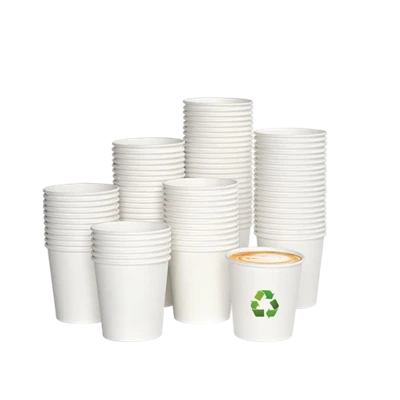
So, to answer the original question: yes, you can use disposable paper plates for seafood, but only if you choose the right kind. Skip the cheap, thin, standard paper plates—they’re designed for dry, light snacks, not the moisture and fat of seafood. Invest in a heavy-duty, grease-resistant plate with a plant-based or thick plastic coating, a solid rim, and a 250 GSM weight or higher. For casual cookouts, backyard events, or large gatherings, they’re a practical, convenient option that cuts down on cleanup and avoids the risk of broken ceramic. Just remember to pair them with the right practices: let hot seafood cool a little, use a larger plate with a well to catch juices, and opt for eco-friendly certified plates if sustainability is a concern.
Paper Bowl If you’re planning a seafood event—whether it’s a backyard boil, a catered wedding, or a pop-up seafood stand—and you want plates that won’t let you down, reach out to our team to talk through your needs. We can help you pick the right size, weight, and coating to fit your specific use case, and even offer bulk pricing for large orders. Don’t waste time with plates that will sog and leak halfway through your meal—let us help you find the perfect disposable paper plates for your seafood gathering.
References
- Consumer Reports. (2022). "Disposable Tableware: Choosing the Right Option for Your Event."
- Food and Agriculture Organization of the United Nations. (2021). "Food Service Packaging for High-Moisture Foods."
- American Forest & Paper Association. (2023). "Recycling Compatibility of Coated Paper Products."
- Journal of Food Protection. (2020). "Barrier Properties of Disposable Paper Plates for Greasy and Moist Foods."
Eton International Trading Co., Ltd.
We are one of the most professional disposable paper plates manufacturers and suppliers in China, also support custom service. Please feel free to buy bulk high quality disposable paper plates at competitive price from our factory. For more cheap products, contact us now.
Address: No. 378 Beiyuan Road, Yiwu City, Zhejiang Province
E-mail: Meng@china-straws.com
WebSite: https://www.eton-pack.com/
