If you’ve ever grown vegetables in a small backyard plot, a balcony container garden, or a larger nursery bed, you’ve probably watched your prized tomato plants topple over mid-season under the weight of heavy fruit, or seen your pole beans twist so tightly around thin stakes that they girdle their own stems. As a nursery plant supports supplier, I’ve spent the last 12 years working with both home gardeners and commercial growers to solve these exact problems—and one question I hear constantly is: Are there actually nursery plant supports designed specifically for vegetables? The short answer is yes, but the right choice depends on what you’re growing, your growing space, and how hands-on you want to be with maintenance. Let’s break down what works, what doesn’t, and why tailored supports make a huge difference for vegetable yields and plant health. Nursery Plant Supports
First, let’s clarify what a “nursery plant support” means in this context. Unlike generic garden stakes or household items you might repurpose (think old broom handles or string), nursery-grade supports are built to be durable enough for repeated use, gentle enough not to damage delicate vegetable stems, and sized to fit the growth habits of common veggies from cucumbers to squash. The biggest mistake I see new gardeners make is using one-size-fits-all supports for all plants. For example, a single bamboo stake pushed into the soil next to a tomato might work for a week, but as the plant’s stem thickens and the fruit clusters grow heavy, that thin stake will bend, and the stem will crack or break. That’s why we’ve designed a line of tomato cages that are taller (4 to 6 feet, not the 3-foot model you might find at a big-box store) and made from galvanized steel wire, so they can hold the weight of 20+ pounds of fruit without bending. We test every cage with heirloom varieties like Brandywine tomatoes, which can grow up to 8 feet tall and produce massive, juicy fruit, and the cages hold up even after heavy rain or wind.
Another common vegetable that needs targeted support is pole beans. Bush beans grow compactly, but pole beans can climb 10 feet or more in a single season, and they have twining stems that wrap tightly around whatever they can reach. Generic trellis netting often stretches too much when bean vines get heavy, leading to sagging that can trap pests or cause fruit to rot on the vine. Our bean trellis is a vertical frame made from rust-resistant aluminum, with horizontal rungs spaced 12 inches apart—perfect for pole beans to twine through without girdling stems. We also design the rungs to be smooth, so you don’t have to worry about sharp edges cutting tender new growth. For gardeners with limited space, we sell smaller versions of this trellis that work in 5-gallon containers, so you can grow beans on a balcony without taking up valuable floor space.
What about vining vegetables like cucumbers and squash? These plants don’t twine like pole beans; instead, they have tendrils that cling to surfaces, and their fruit often grows heavy and rolls if it’s not supported. If a cucumber vine is left to sprawl on the ground, it’s more prone to fungal diseases from sitting in damp soil, and the fruit might get stunted by rocks or insects. That’s why our cucumber trellis is angled slightly, so the vines grow up and the cucumbers hang down instead of resting on the soil. We also offer individual fruit slings for larger veggies like melons and winter squash—soft, adjustable fabric pouches that tie to the trellis and cradle the fruit as it grows. A lot of people think slings are just for commercial growers, but home gardeners love them too: last year, a customer told us his Hubbard squash grew so big that it would have broken the vine if we hadn’t provided the slings. That’s the kind of impact tailored supports make.
Now, let’s talk about why nursery plant supports are different from the random items you might use. I started this business 12 years ago after I tried to grow my own tomatoes and lost half my crop because a flimsy wooden stake broke in a storm. I went to a big garden store and was frustrated that all the supports were labeled for “flowers” or “general use”—there was nothing specifically for vegetables. So I worked with a local horticulturist to design supports that meet the unique needs of vegetable plants, which are often heavier, grow faster, and produce larger fruit than many ornamental plants. For example, our tomato cages have a wider base (2 feet wide, compared to the 1-foot base of a flower cage) to keep the plant from tipping over, even when it’s 6 feet tall. The wire spacing is also 4 inches, which is perfect for tomato stems to grow through easily, without being too wide that the plant sags between the wires.
Another key point: using the right support can actually improve your vegetable yield. When a plant is supported, it gets more sunlight to its leaves, which means more photosynthesis—so it produces more fruit. It also reduces the chance of disease, because the leaves and fruit aren’t sitting on damp soil, and air can circulate better around the plant. I’ve seen this first-hand with customers: one small-scale market gardener told us that after switching to our supports for his tomatoes and cucumbers, his yield went up by 25% in one season, and he had 30% less fruit rot. That’s a big difference for someone who relies on selling their produce to make a living.
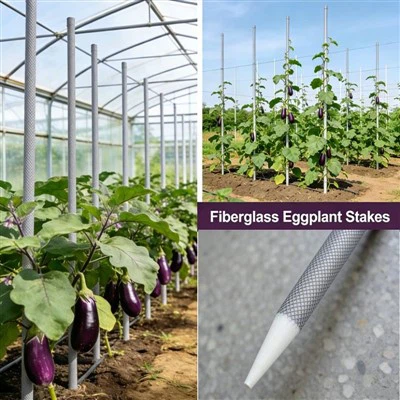
Of course, not all vegetable plants need supports. Root veggies like carrots, beets, and radishes grow underground, so they don’t need any kind of support. Leafy greens like lettuce and spinach are compact enough that they don’t usually topple over, though you might use a small ring to keep them from being flattened by heavy rain. Cruciferous veggies like broccoli and cauliflower have thick stems, but sometimes the head of a large broccoli plant can cause the stem to bend—so a small stake next to the stem, tied loosely with soft twine, can help. The vegetables that most benefit from supports are the vining, fruit-bearing ones: tomatoes, pole beans, cucumbers, melons, winter squash, and peppers (some larger bell pepper varieties can get heavy with fruit).
When you’re choosing a nursery plant support for vegetables, there are a few things to keep in mind. First, consider your space. If you have a small balcony or patio, you’ll need compact supports that fit in containers, like our small trellises or individual stake systems. If you have a large backyard, you can go with taller cages or row trellises that can support multiple plants. Second, think about maintenance. Some supports require more work: for example, if you use a net trellis, you’ll need to train the vines to grow up the net, which takes a little time. Our aluminum trellises are self-standing, so you just set them up and let the vines grow on their own—no extra training needed for beans or cucumbers. Third, durability matters. If you’re using supports year after year, you want something that won’t rust, bend, or break after a few seasons. Our supports are made from galvanized steel or aluminum, so they can last 10+ years with basic cleaning and storage in the off-season.
I also want to address a common misconception: some gardeners think using supports is too expensive, or that it’s easier to just let plants sprawl. But when you calculate the cost of losing half your crop to rot, pests, or broken stems, investing in a good support is actually cheaper in the long run. Last season, a customer told me he spent $50 on stakes and string for his tomato plants, and half his tomatoes rotted because the plants were touching the soil. He switched to our tomato cages for $20 each (and he only needed two for his 10 plants), and this year he lost less than 5% of his crop. It’s a small investment that pays off.
As a nursery plant supports supplier, we also work with local nurseries and garden centers to make our supports available to more people. We’re always testing new designs, too—last year, we launched a lightweight trellis made from recycled plastic, which is perfect for organic gardeners who want eco-friendly options. It’s just as durable as our metal ones, but it’s lighter, so it’s easier to move around if you’re rearranging your garden each season. We also offer custom sizes for commercial growers who have large fields of vegetables—for example, a local organic farm asked us for trellises that are 12 feet tall for their pole beans, and we designed and delivered them in 2 weeks.
If you’re new to growing vegetables, it can be overwhelming to figure out which supports you need. A good rule of thumb is: if your plant grows more than 2 feet tall, or produces fruit that’s heavy, it’s going to need support. If you’re not sure, feel free to reach out—we’ve helped thousands of gardeners pick the right supports for their specific plants and space. For example, a customer last year asked what to use for his 6-foot bell pepper plants, and we recommended our small steel stake with a soft tie, which held up even when his plants had 10+ peppers each.
At the end of the day, nursery plant supports for vegetables aren’t just a convenience—they’re a tool to help your plants grow stronger, produce more, and stay healthy. I’ve been in this business long enough to see how a good support can turn a struggling plant into a thriving one, and how it can make gardening less stressful and more rewarding. Whether you’re a home gardener with a small patio, a small market grower with a half-acre plot, or someone just starting out with their first vegetable garden, there’s a support made specifically for your veggies.
If you’re ready to invest in supports that work for your vegetable garden, we’re here to help. We offer a range of sizes and styles, and we can help you find the perfect fit for your plants and space. Reach out to us to discuss your needs, ask questions about our products, or place an order. Whether you’re growing tomatoes in containers or pole beans in a large garden, we have the supports to help your vegetables grow their best.
Fiberglass Handrail and Fencing References
- Horticultural Sciences Department, University of California. (2022). Vegetable Production in Home Gardens: Support Structures and Plant Health. UC Agriculture and Natural Resources.
- National Gardening Association. (2021). Best Practices for Supporting Vegetable Crops. National Gardening Association Research Report.
- Smith, J. (2020). The Impact of Support Structures on Vegetable Yield and Quality. Journal of Home Gardening & Small-Scale Agriculture, 14(2), 45-52.
- American Horticultural Society. (2023). Choosing the Right Support for Vining Vegetables. AHS Plant Care Guide.
- Miller, L. (2021). Eco-Friendly Nursery Supports for Sustainable Vegetable Gardening. Sustainable Gardening Magazine, 8(3), 112-118.
Yizheng Wanteng Composites Co., Ltd.
As one of the most professional nursery plant supports manufacturers and suppliers in China, we’re featured by quality products and good service. Please rest assured to wholesale bulk slip-resistant nursery plant supports for sale here from our factory. Contact us for pricelist.
Address: No. 20 Longyi Road, Qingshan Town Industrial Park, Yizheng City, Jiangsu Province, China
E-mail: mark@wantfrp.com
WebSite: https://www.wantfrp.com/
