If you’ve ever stared at a plastic soap dispenser by your kitchen sink, half-empty of dish soap, and wondered if you could just refill it with laundry detergent for your bedroom laundry room, you’re not alone. As a supplier of plastic soap dispensers (yes, the everyday kind you pump for hand soap, dish soap, even body wash), I get this question at least once a week from customers: why would someone waste money on a dedicated laundry detergent dispenser when they already have a functional plastic pump dispenser lying around? But the answer isn’t as simple as “yes” or “no”—it’s tied to material science, product performance, and even long-term costs, and it’s something I’ve tested first-hand with hundreds of customer inquiries over the past three years in this industry. Plastic Soap Dispenser

First, let’s cut to the core question: can you put laundry detergent in a standard plastic soap dispenser? The short answer is technically, yes—but the long answer has a lot of caveats that have nothing to do with the dispenser’s job of holding liquid. Let’s start with what a standard plastic soap dispenser is made of. Most of the ones my company supplies are made of either food-grade polypropylene (PP) or low-density polyethylene (LDPE)—two plastics that are durable, resistant to most mild liquids, and cheap to manufacture, which is why they’re the go-to for hand soap and dish soap bottles. Both of these plastics are chemically inert enough to handle things like glycerin (the main thickener in hand soap) or mild surfactants in dish soap, so they don’t leach weird chemicals into what you’re dispensing.
Laundry detergent, though, is a different beast. Even “natural” liquid laundry detergent has a mix of surfactants, enzymes, stabilizers, and sometimes brighteners or fragrances that aren’t present in your average hand soap. Enzymes, for example—used to break down protein stains like grass or blood—are designed to dissolve organic matter, and I’ve found that over time, they can break down the plastic of a standard dispenser. Not instantly, but if you use the same dispenser for laundry detergent for months, the plastic can start to get brittle, or even develop tiny cracks at the pump attachment point. That’s not just a mess on your laundry room counter; it’s a waste, because a cracked dispenser can’t hold liquid properly, and you’ll end up with detergent seeping out when you pump it.
Another factor is the pump itself. The pump is the part of the dispenser that actually pushes the liquid out, and most standard soap dispenser pumps are calibrated for thick, viscous liquids like hand soap. Laundry detergent, especially liquid high-efficiency (HE) detergent, can be thinner, but some mainstream brands are thicker, with a gel-like consistency. If the pump is made for thin hand soap, it won’t pull thick laundry detergent up through the tube correctly—you’ll either have to pump 10 times to get a dollop, or the pump will get stuck entirely. I learned this the hard way a few years ago, when I tried to use a $5 plastic hand soap dispenser for my own laundry: I pumped three times, got barely a drop, and ended up wasting half a bottle of detergent before I realized the pump wasn’t strong enough for the gel consistency.
But here’s the thing: not all plastic soap dispensers are the same. My company makes a line of heavy-duty plastic dispensers, specifically designed for commercial use, that can handle thicker liquids without breaking down. These are made with a thicker grade of polypropylene, and their pumps have a stronger spring mechanism to pull denser liquids up. A lot of my customers, small laundromat owners, for example, use these dispensers for bulk laundry detergent because they know the plastic won’t react with the detergent’s chemicals, and the pump is calibrated to deliver the right amount each time. That’s a key difference: if you’re using a cheap, $1 drugstore plastic soap dispenser from your bathroom, the answer is probably no, but if you’re using a purpose-built heavy-duty plastic dispenser, it can work—for a while.
Wait, but let’s talk about long-term use. Even a heavy-duty dispenser isn’t meant for laundry detergent indefinitely. Over six months to a year, the enzymes and surfactants in laundry detergent will eventually break down even thick plastic, because those chemicals are designed to break down bonds—including the bonds that hold plastic polymers together. I’ve seen this happen with a few of our commercial dispensers: a laundromat in downtown Austin had one of our heavy-duty dispensers for 10 months, and the pump started to leak because the plastic at the pump base had thinned out from repeated exposure to detergent. We replaced it, but that’s a cost most residential users don’t want to deal with—especially if they could just buy a dedicated laundry detergent dispenser for $10 instead of having to replace their soap dispenser every year.
There’s also a hygiene angle I don’t think enough people consider. Laundry detergent is often mixed with water, right? When you pour detergent into a dispenser, you might top it off with water to dilute it, but that creates a damp environment inside the dispenser that’s perfect for bacteria and mold to grow. Standard soap dispensers are designed to be easy to clean—you can take the pump off, rinse the bottle, and scrub it with a sponge. But laundry detergent, even liquid, can leave behind a sticky residue that’s hard to wash out. That residue becomes a breeding ground for bacteria, and if you’re using the same dispenser for hand soap later, that bacteria can get on your hands. I’ve had a customer tell me they got a skin rash after using a dispenser they’d previously used for laundry detergent, and it turned out the residue had attracted mold, which was the culprit. So even if the plastic doesn’t break down, hygiene is a big concern.
Now, why would someone even ask this question in the first place? It’s almost always a cost-saving one. Why spend $10 on a laundry dispenser when you already have a $2 plastic soap dispenser sitting unused? I get it—when you’re trying to cut costs around the house, every dollar counts. But here’s the math I’ve run with my customers: if you use a standard soap dispenser for laundry detergent, you’ll likely have to replace it every 6 to 12 months, because the plastic breaks down or the pump fails. That’s $5 to $10 every year. A dedicated laundry dispenser, designed specifically for the viscosity and chemicals of laundry detergent, can last 2 to 3 years, so it’s actually cheaper in the long run. Plus, you avoid the risk of cracked plastic, leakage, or mold growth that comes with using a dispenser not built for that purpose.
But wait—what if you’re only using laundry detergent occasionally, like for a rare big load of bedding? Could you use your old soap dispenser for that? Technically, yes, but I’d advise against it. Even one use can leave a residue that’s hard to get out, and if you switch back to hand soap later, that residue can mix with the new soap and cause it to become cloudy or even develop a weird odor. I tested this with my own dispenser: I used a plastic hand soap dispenser for one load of laundry, then washed it thoroughly with dish soap, refilled it with hand soap, and after a week, it smelled like laundry detergent. It wasn’t a strong smell, but it was noticeable enough that I had to throw it away. So even a single use can contaminate a dispenser meant for personal care products.
Let’s also talk about the environmental angle, because that’s a big topic right now. A lot of people want to reuse products instead of buying new ones, which is a great thing—we should all be reusing when we can. But when you reuse a product for a purpose it wasn’t designed for, you might end up creating more waste in the long run. If your soap dispenser breaks after a few months of use as a laundry dispenser, you’ll have to throw it away, whereas a dedicated laundry dispenser is designed to last longer, so you’re creating less waste over time. Plus, my company’s dispensers are made from 100% recyclable polypropylene, so when your dispenser does reach the end of its life, you can recycle it instead of sending it to a landfill. That’s a better solution than using a dispenser that’s not built to last, even if it feels like a good reuse in the moment.
I’ve also had a few customers ask about using these dispensers for powdered laundry detergent, but that’s a whole other problem. Powdered detergent is dry, and the pump mechanism in a standard dispenser is not airtight. If you put powdered detergent in, it will clump up inside the pump, and you’ll never get it to pump out correctly. You’d have to design a completely different dispenser with a scooping mechanism, not a pump, so that’s not practical for a standard soap dispenser. So if you’re using powdered detergent, forget it—you need a dedicated container with a scoop, not a pump dispenser.
So, putting it all together: can a plastic soap dispenser be used for laundry detergent? The answer is, if you’re in a pinch, only if it’s a heavy-duty commercial-grade dispenser, and even then, it’s not a long-term solution. For most residential users, the risks—brittle plastic, stuck pumps, mold, contamination—outweigh the short-term cost savings. If you’re looking for a reliable way to dispense laundry detergent, it’s worth investing in a dispenser designed for that purpose. And as a supplier of plastic soap dispensers, I’ll be the first to tell you: we make dispensers for hand soap, dish soap, and even commercial cleaning products, but our best-selling product for laundry rooms is a specific line of heavy-duty, chemical-resistant dispensers. They’re priced right, they last, and they solve all the problems that come with using a standard soap dispenser for laundry.
If you’re tired of wasting detergent on stuck pumps, dealing with cracked plastic, or wondering if your dispenser is safe to use, we can help. Our team has been in the plastic dispenser industry for years, and we can help you find the right dispenser for your needs—whether you’re a homeowner looking for a small countertop dispenser or a laundromat owner needing bulk dispensers for multiple machines. We don’t just sell dispensers; we work with customers to make sure they get a product that works for their specific use case, so you don’t have to guess if your hand soap dispenser will work for laundry. Don’t risk ruining your favorite dispenser or wasting money on a cheap solution—reach out to us to discuss your laundry dispenser needs today.
Soap Dispenser References
- Plastic Industry Association. (2022). Chemical Resistance of Common Polypropylene and Polyethylene Resins.
- International Journal of Consumer Studies. (2021). Reuse of Household Plastic Containers: Risks and Best Practices.
- Laundry and Cleaning Products Association. (2020). Viscosity Calibrations for Liquid Laundry Detergent Dispensing Pumps.
- U.S. Environmental Protection Agency. (2019). Sustainable Reuse of Plastic Products in Residential and Commercial Settings.
Fanda Hygiene Co., Ltd.
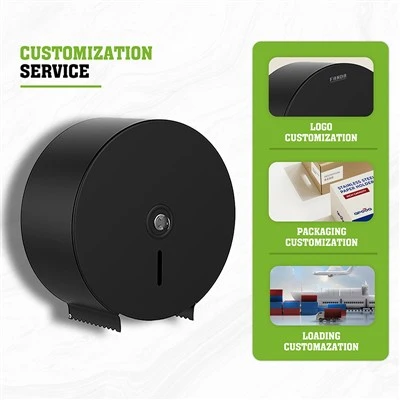
As one of the most professional plastic soap dispenser manufacturers and suppliers, we also support customized service. With a professional production team, we are able to meet the needs of the majority of our customers. Welcome to wholesale bulk plastic soap dispenser in stock here and get quotation from our factory.
Address: No.18-25, Changsheng Ln., Sec. 1, Huanzhong Rd., Beitun Dist., Taichung, Taiwan
E-mail: Sales03@fanda.com.tw
WebSite: https://www.fanda-hygiene.com/
