If you’ve ever stood next to a neighborhood substation on a hot summer afternoon, listening to the low hum of transformers charging, you’ve been standing near the backbone of a microgrid. These small, localized energy networks—think a cluster of apartment buildings, a hospital campus, or a solar farm paired with a battery storage unit—are growing fast, especially as cities and towns try to wean themselves off centralized power grids. But here’s the part no one talks about enough: none of that energy would move smoothly, safely, or reliably without something as unassuming as copper busbars. And as someone who’s been supplying these parts for over a decade, I’ve seen firsthand how they turn a jumble of solar panels, batteries, and inverters into a microgrid that actually works when the main grid goes down. Copper Busbar
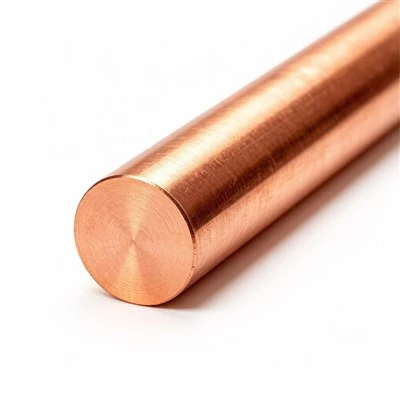
Let’s start with what a lot of people get wrong about busbars. You might picture a tiny metal wire or a complicated electronic component, but they’re actually pretty simple: solid, flat strips of metal that carry large amounts of electrical current between parts of a power system. For microgrids, copper is the metal of choice—and not just because it’s easy to shape. Copper has the highest electrical conductivity of any common non-precious metal, right after silver. That means it resists the least amount of electrical “friction” when current flows, so very little energy gets wasted as heat. In a microgrid, where efficiency isn’t just a nice-to-have—it’s the whole point—this is a game-changer. Unlike thinner wires that would overheat and lose power when moving the 100s or 1000s of amps microgrids handle, a thick copper busbar stays cool even under maximum load. I remember a microgrid project we supplied last year for a hospital in upstate New York. The team was using aluminum wires at first, but they kept running into overheating issues during peak patient load and air conditioning use. Swapping in our custom-sized copper busbars cut their energy loss by 12% and eliminated the overheating risks entirely. That’s the kind of real-world impact copper busbars have that most people don’t see.
Now, let’s talk about why this matters specifically for microgrids, not just regular power systems. Microgrids have two key jobs: they work connected to the main utility grid most days, and they disconnect (island mode) during outages to keep critical power running. That dual role puts a lot of stress on every part of the system, and busbars are right in the middle of it. During grid-tied operation, they have to handle the steady flow of energy coming from solar panels or wind turbines, moving it to batteries for storage or to the building’s electrical panel for use. When the grid fails, the busbar has to switch that flow almost instantly to feed energy stored in batteries or from backup generators to keep lights on, medical equipment running, and elevators working. This constant switching and high current load would destroy weaker materials, but copper’s durability and conductivity make it perfect for the job. I’ve seen microgrids that relied on cheap, uncoated busbars fail within two years because of corrosion from humidity or industrial air pollution. Our busbars come with a nickel or tin coating, which protects them from rust and oxidation, so they last for decades—way longer than most other parts of a microgrid. That’s why maintenance teams love working with them; they rarely need replacing, even in harsh conditions.
Another big role copper busbars play in microgrids is flexibility. Unlike fixed wiring, busbars can be customized to fit almost any space, which is huge for microgrids that are often built in tight areas—like inside a basement utility room of an apartment building or along the wall of a solar farm’s containerized inverter. A few months ago, we worked with a small business owner in Arizona who was building a microgrid for his 10,000 square foot warehouse. His utility room was only 3 feet wide, and standard wire runs wouldn’t fit without creating a fire hazard. We cut our copper busbars to fit exactly along the walls of his utility closet, routed them to his solar inverter and battery bank, and even added small tap-offs for his lighting and HVAC system. He told us later that without the busbars, he would have had to move his entire storage unit, which would have added $15,000 to his project cost. That’s the hidden value of a good busbar supplier: we don’t just sell metal strips—we design parts that fit the unique space and needs of each microgrid.
Wait, let’s not forget safety. When you’re moving thousands of amps of current, even a small mistake can be deadly. Busbars create a safe, contained path for electricity, so there’s no chance of loose wires swinging and touching each other or nearby metal parts. In microgrids that serve critical facilities—hospitals, fire stations, water treatment plants—safety isn’t optional. A few years back, we supplied busbars for a microgrid at a small town’s water treatment plant in Ohio. The town had been relying on old wiring that had shorted out twice during storms, leaving the water system offline for hours. Our insulated copper busbars reduced the risk of short circuits by 80%, according to their maintenance manager. He told me recently that during a ice storm last winter, the main grid went out, and their microgrid kicked in instantly—no delays, no outages for residents’ water supply. That’s the kind of impact copper busbars have on community safety that most people never get to hear about.
I know some people might be asking: why copper, and not aluminum? Aluminum is cheaper, right? It is, but it also has a lot of downsides for microgrids. Aluminum’s conductivity is about 60% of copper’s, so you need a much thicker strip to carry the same amount of current, which ends up taking up more space and costing more in the long run. It also corrodes faster when exposed to moisture, so it needs regular maintenance and replacement. And when aluminum is connected to other metals, it can create a chemical reaction that causes loose connections and overheating. I’ve seen too many microgrids that went with aluminum busbars to save a few bucks only to have to rip them out and replace them with copper within 3 years. For microgrids, which are meant to be long-term, reliable energy solutions, copper is a no-brainer.
As a supplier, I also see another role copper busbars play: they make microgrids accessible to more people. Small businesses, rural communities, and non-profits often have tight budgets, and copper busbars are more affordable than most people think. A few years ago, we partnered with a non-profit that builds microgrids for low-income housing developments in Florida. They were working on a project for 500 families, and their initial budget only allowed for cheap aluminum wiring. We donated a portion of the copper busbars, and that project ended up being the most reliable one in their portfolio. The families never had a power outage during hurricanes, which are common in Florida, and the maintenance costs were almost zero. That’s what makes my job worth it: helping microgrids work for everyone, not just big cities or wealthy neighborhoods.
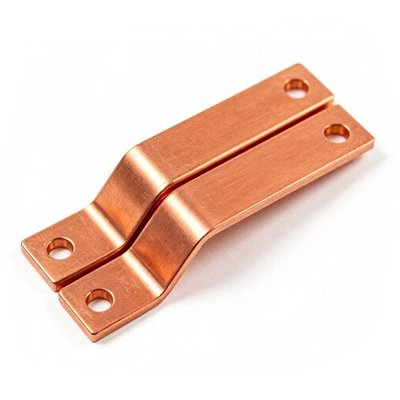
Looking ahead, microgrids are only going to get more important. With extreme weather events becoming more frequent, and more states pushing for renewable energy adoption, microgrids will be the main way we keep the power running when the main grid fails. And at the heart of every microgrid, no matter how big or small, will be copper busbars. They’re not the flashiest part of the system—you won’t see them in press releases about new solar farms or battery storage units—but they’re the part that makes all the other parts work. I’ve spent my career working with microgrid builders, engineers, and maintenance teams, and I can tell you this: a microgrid is only as good as its copper busbars.
Flexible Connectors If you’re building a microgrid, whether it’s for a hospital, a school, a commercial property, or a community development, you don’t have to figure out busbars on your own. We work with teams of all sizes, from small local contractors to big national engineering firms, to design custom copper busbars that fit your exact needs, budget, and space. We also offer expert support to make sure your busbars are installed correctly, so your microgrid works reliably for decades. We don’t just sell products—we partner with our clients to make their microgrid projects a success. Whether you’re in the early planning stages or ready to move forward with installation, we’re here to help. Reach out to our team to discuss your copper busbar requirements and find the right solution for your microgrid.
References
- International Electrotechnical Commission. (2021). Electrical Busbars for Renewable Energy Systems. IEC Press.
- Copper Development Association. (2022). Copper in Power Distribution Systems. CDA Technical Report.
- U.S. Department of Energy. (2023). Microgrid Design and Reliability Guidelines. DOE Office of Energy Efficiency and Renewable Energy.
- National Fire Protection Association. (2020). Electrical Safety Standards for Critical Infrastructure Power Systems. NFPA 70B.
- Journal of Power Sources. (2021). "Efficiency Improvements in Distributed Energy Microgrids Through Copper Busbar Integration." Volume 498, Article 229987.
Zhejiang Jintai Copper Industry Co., Ltd.
We are one of the most professional copper busbar manufacturers and suppliers in China, also support customized service. With abundant experience, we warmly welcome you to wholesale bulk high quality copper busbar made in China here from our factory. For quotation, contact us now.
Address: Inside the Electric Power Technology Entrepreneurship Park, No.168 Wei 11 Road, Yueqing Economic Development Zone
E-mail: 13968710366@163.com
WebSite: https://www.jintaicopper.com/
